Open the refrigerator in many American homes, and you’ll probably find a filter pitcher squeezed between groceries or several bottles of drinking water taking up valuable shelf space. These are convenient enough, but constantly refilling pitchers and purchasing bottled water can become tiresome. Wouldn’t it be easier to have enjoyable drinking water available whenever you need it?
For homeowners across Moorhead, Fargo, and surrounding communities, reverse osmosis water filter systems offer a practical approach to addressing specific drinking water concerns without requiring extensive changes throughout the home.
Understanding how these systems work, what they can accomplish, and how they fit into everyday household routines can help you decide whether reverse osmosis is a worthwhile investment.
Why Your Drinking Water Deserves Special Attention
Water serves countless purposes around the house. You use it for laundry, cleaning, bathing, cooking, and drinking. However, not every household activity requires the same treatment.
That’s where point-of-use drinking water treatment makes particular sense. Rather than treating every gallon entering your property, this approach focuses on water delivered through a specific outlet, usually a dedicated kitchen faucet.
It allows homeowners to concentrate additional filtration on the water they consume most directly.
For households satisfied with their general water supply but concerned about particular drinking water characteristics, this targeted approach can be both practical and convenient.
There’s also less equipment to accommodate compared with more extensive treatment arrangements, which is helpful when installation space is limited.
Finding the Right Reverse Osmosis System for Your Kitchen
Modern filtration equipment comes in various configurations, and the differences aren’t always obvious at first glance.
When comparing reverse osmosis filtration options, think about your family’s water consumption, available cabinet space, preferred water flow, and ongoing maintenance requirements.
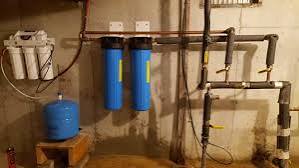
Traditional systems generally include a storage tank that holds treated water until needed. Tankless models produce water on demand and may appeal to homeowners who want to preserve storage space.
Some systems incorporate additional filtration stages or remineralization cartridges that can influence the finished water’s taste.
Neither configuration is automatically better than the other. A family that regularly prepares large meals may have different requirements from someone who primarily uses treated water for beverages.
It’s worth considering how you actually live before deciding which equipment to purchase.
What Happens Inside a Reverse Osmosis System?
Despite its technical-sounding name, the basic principle behind reverse osmosis is relatively straightforward.
Incoming water is pushed through a semipermeable membrane under pressure. This process reduces many dissolved substances that ordinary sediment filters cannot effectively capture.
Additional filtration stages commonly include sediment cartridges and activated carbon media, helping address particles and certain substances associated with unwanted tastes and odors.
Depending on its independently verified capabilities, reverse osmosis equipment may reduce contaminants such as lead, nitrate, fluoride, and dissolved salts.
However, treatment performance varies between systems. No single piece of equipment should automatically be considered capable of removing everything unwanted from your water.
Reliable water testing helps determine whether reverse osmosis is appropriate for your particular concerns.
Enjoying the Difference in Everyday Food and Drinks
It’s funny how much attention we give to buying quality ingredients while barely considering the water used alongside them.
Take coffee, for instance. You might carefully select freshly roasted beans, experiment with brewing temperatures, and invest in a decent coffee maker. Yet the characteristics of your water can still influence the finished cup.
The same applies to tea, homemade soups, pasta, and ice cubes.
Suitable filtration may help reduce unpleasant water flavors, allowing other ingredients to come through more clearly.
Personal preferences matter, of course. Some people enjoy the neutral taste of reverse osmosis-treated water, while others prefer water containing additional minerals.
Having dependable access to treated water also makes filling reusable bottles and preparing everyday meals considerably more convenient.
Understanding Water Efficiency and Ownership Costs
Reverse osmosis systems produce a concentrated wastewater stream as part of the treatment process. This carries rejected substances away from the membrane.
Different equipment designs offer different levels of water efficiency, making consumption an important consideration when comparing systems.
Ask how much incoming water is typically required to produce treated drinking water under your home’s operating conditions.
Replacement cartridges, membrane replacements, and occasional servicing contribute to ongoing ownership expenses as well.
A relatively inexpensive system may become less economical if replacement components are costly or difficult to obtain.
Looking beyond the initial purchase price helps you choose equipment that makes financial sense over several years rather than just on installation day.
Keeping Your Drinking Water System Working Properly
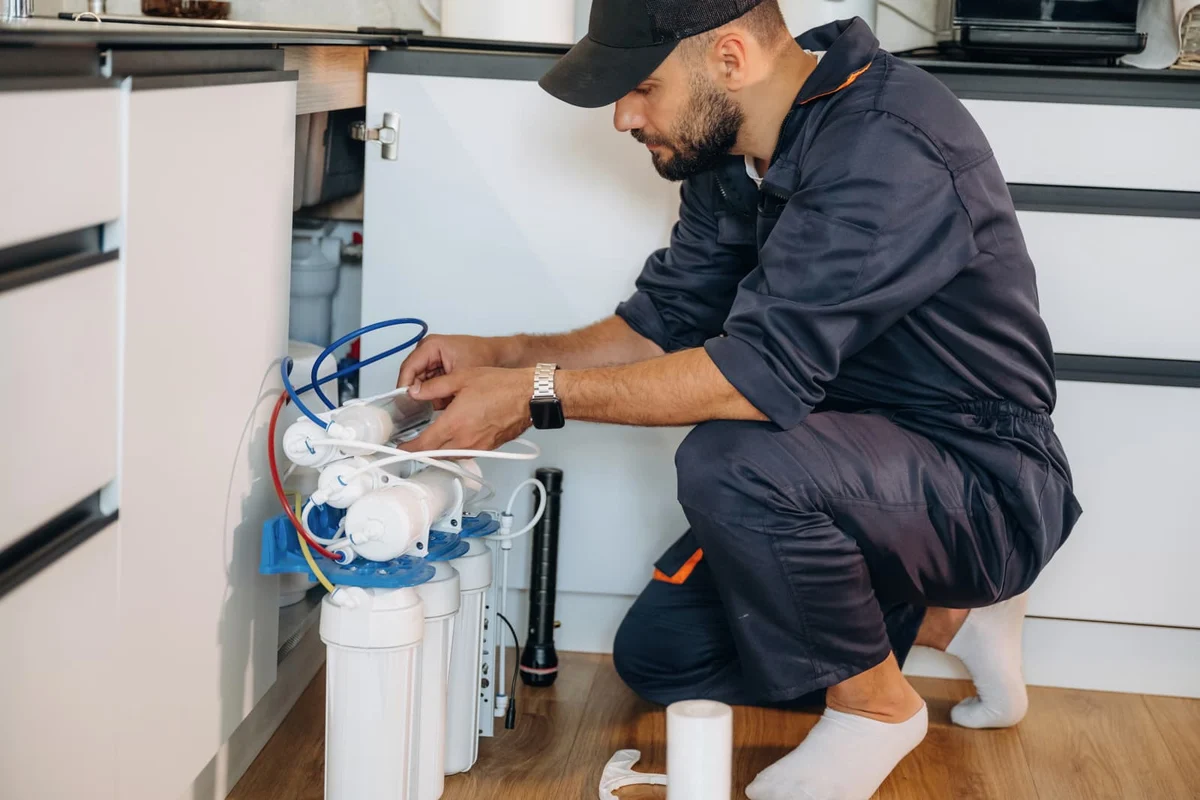
Once reverse osmosis equipment is installed, it’s easy to forget about everything happening beneath the sink. But consistent maintenance remains essential.
Sediment cartridges gradually collect particles, carbon filters reach their treatment capacity, and membranes eventually require replacement.
Follow the manufacturer’s recommended maintenance schedule and investigate unusual changes in water production or taste.
If your system addresses specific contaminants, arrange appropriate follow-up testing to verify continued performance.
It’s also sensible to keep replacement dates and servicing information somewhere accessible.
A simple maintenance routine can prevent unnecessary complications and help preserve the value of your investment.
Making Better Drinking Water an Everyday Convenience
For homeowners throughout Minnesota and North Dakota, reverse osmosis can provide a practical solution when its capabilities match identified water quality concerns.
Begin with reliable testing, choose equipment that suits your kitchen and consumption habits, and consider long-term operating costs.
The real appeal often comes down to life’s ordinary moments. Filling a glass after an afternoon outdoors, preparing breakfast for the family, or making a comforting cup of tea on a cold Minnesota evening.
Better drinking water shouldn’t demand constant effort. It should simply be there when you need it.
And with thoughtfully selected treatment equipment, that everyday convenience can become a welcome part of life at home.