Most of us turn on a tap without giving much thought to where the water comes from or what’s happening before it reaches the glass. We expect it to be clean, safe, and pleasant to use. So when the water tastes strange, leaves white marks on the shower screen, or develops an unusual smell, it’s natural to start looking for answers.
Water quality problems aren’t always easy to identify by sight alone. Some are related to minerals, others involve substances that affect taste and odor, and certain concerns require specific testing. The good news is that modern filtration and treatment technologies offer practical ways to address many of these issues. The key is understanding what your household needs rather than buying equipment simply because it promises cleaner water.
Start by Understanding Your Water
Before choosing a filtration system, take a closer look at your water source. Homes supplied by municipal networks generally receive treated water, but mineral content, taste, and plumbing conditions can vary. Properties that rely on private wells may need additional monitoring because groundwater quality can be affected by local geology, rainfall, nearby activities, and changes around the well itself.
Sometimes the signs are easy to spot. White deposits around faucets often point to hard water, while reddish-brown stains may be associated with iron. A chlorine-like smell can affect the way water tastes, although the presence of an odor alone doesn’t tell you whether the water is unsafe.
Other contaminants aren’t visible or detectable by smell. That’s why testing matters. A suitable water test can help identify problems and guide the selection of treatment equipment. For concerns involving bacteria, lead, arsenic, nitrates, or other health-related contaminants, consider an appropriately accredited laboratory and follow local public health recommendations.
Testing first can also prevent unnecessary spending. There’s little reason to install a complicated system if a simpler, properly selected filter can address the actual issue.
Making Everyday Drinking Water More Pleasant
Water used for drinking and cooking deserves particular attention because it directly affects everyday routines. Some households dislike the taste of chlorine in their tap water, while others want to reduce specific contaminants identified through testing. In either case, the most suitable solution depends on what needs to be removed.
Drinking water filtration generally refers to systems designed to improve water at a drinking outlet, such as a kitchen tap or dedicated dispenser. Depending on the model, these systems may use activated carbon, sediment filtration, reverse osmosis, or a combination of technologies.
Activated carbon filters can reduce certain substances responsible for unpleasant taste and odor. Reverse osmosis systems can reduce many dissolved contaminants, but performance depends on the equipment and its certification. Neither technology should be assumed to remove every possible contaminant.
When comparing products, look beyond phrases such as “premium filtration” or “advanced purification.” Check the manufacturer’s documented performance claims and identify which contaminants the system has actually been tested to reduce. Independent certification can provide useful reassurance, provided the certification covers the treatment claim relevant to your concern.
Capacity is another practical consideration. A filter designed for occasional use may not suit a household that fills several bottles, prepares meals frequently, and relies on filtered water throughout the day. Consider flow rate, filter life, replacement costs, and how easily cartridges can be changed.
A system that works well with your daily routine is much more likely to receive the maintenance it needs.
Why Consider Filtration Throughout the Home?
Sometimes the concern extends beyond drinking water. You might notice sediment at several faucets, unpleasant odors in multiple bathrooms, or mineral buildup affecting appliances and fixtures. In these situations, treating water only at the kitchen sink may not address the broader problem.
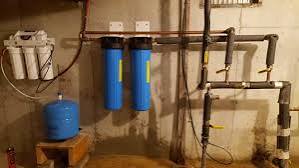
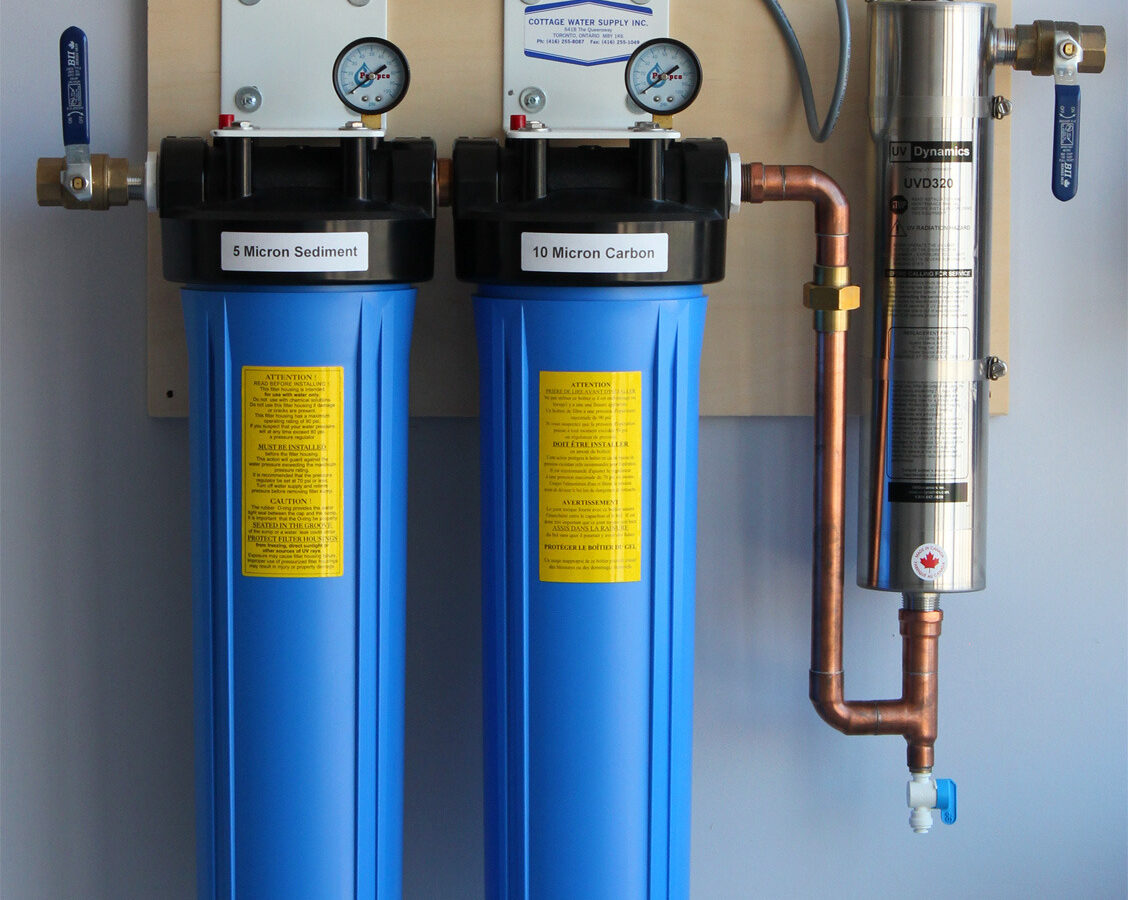
Whole-home filtration treats water as it enters the property, helping manage selected water quality issues across multiple outlets. Depending on the incoming water and the equipment chosen, a system may include sediment filters, activated carbon, or other treatment components.
For example, a sediment filter may help capture particles before they enter household plumbing. A suitable carbon system may reduce certain taste- and odor-related substances throughout the home. Where hard water is the main concern, a water softener may be appropriate, although softening and filtration perform different functions.
The distinction is important. A standard whole-house filter doesn’t automatically remove hardness minerals, disinfect water, or address every chemical contaminant. The equipment must match the actual water conditions.
Proper sizing also matters. A system that’s too small may struggle when showers, washing machines, and kitchen taps are running at the same time. Before installation, consider the number of occupants, peak water demand, incoming pressure, available space, and the manufacturer’s recommended flow range.
Whole-home treatment can offer convenience, but it should be chosen because the problem affects the property broadly—not simply because a larger system sounds more comprehensive.
When UV and Advanced Treatment Technologies Help
Some water quality concerns require more than conventional filtration. If testing identifies microbial contamination, for instance, removing visible particles or improving taste won’t necessarily make the water safe. The treatment approach must address the specific hazard.
UV & advanced treatment technologies can provide additional treatment when selected for the right application. Ultraviolet disinfection uses UV light to inactivate susceptible microorganisms when the system delivers the required dose under suitable operating conditions. It can be useful for certain private well supplies and other applications where microbial control is needed.
However, UV treatment doesn’t remove dissolved salts, heavy metals, or most chemical contaminants. Water clarity is also important because suspended particles can shield microorganisms from UV exposure. Appropriate pretreatment, correct system sizing, lamp maintenance, and regular checks all contribute to reliable operation.
Other advanced methods may include reverse osmosis, specialized adsorption media, or treatment processes designed for particular contaminants. Each has its own strengths and limitations.
If a test reveals a possible health risk, consult a qualified water treatment professional or the relevant public health authority. Choose equipment based on verified performance, and don’t assume that installing a single device will solve every problem. In some cases, the water source itself may need investigation or corrective action.
Maintenance Makes a Bigger Difference Than You Might Expect
Installing a filtration system is only the beginning. Filters gradually collect particles, cartridges reach the end of their useful life, and certain treatment components require periodic inspection. If maintenance is overlooked, performance can decline even when the equipment appears to be working normally.
Follow the manufacturer’s replacement schedule and adjust servicing when recommended by actual usage or water conditions. Keep a record of filter changes and any water testing, especially if the system is intended to address a specific health-related contaminant.
Pay attention to changes in flow, taste, or odor, but don’t rely on these signs alone to judge water safety. A filter may stop reducing a particular contaminant without producing any obvious change in appearance.
It’s also sensible to calculate ongoing costs before purchasing equipment. Replacement cartridges, electricity, servicing, and any required consumables contribute to the long-term expense. A system with a lower initial price may not be the most economical choice if its maintenance costs are high or replacement parts are difficult to obtain.
Finding the Right Fit for Your Household
Better water begins with informed choices. Identify your water source, test for relevant concerns, and select treatment equipment that matches the results. Consider whether the issue affects drinking water alone or the entire property, and seek specialist advice when the results are complicated.
There isn’t one perfect filtration system for every home. Some households need a simple drinking water filter, others benefit from whole-home treatment, and certain water supplies require carefully selected advanced technologies. The best solution is the one that addresses the real problem and can be maintained properly over time.
Clean, dependable water makes everyday life easier in small but meaningful ways. With the right information and a practical treatment plan, you can enjoy greater confidence in your water without paying for equipment you don’t need.