Water plays a bigger role in running a business than most people realise. In an office, employees expect a clean, convenient place to fill their bottles. In a restaurant, water quality affects food preparation, beverages, cleaning, and the daily workload of the kitchen team. Hotels, schools, healthcare facilities, and other commercial buildings have their own demands, too. When water quality or equipment performance becomes a problem, even a small issue can disrupt an otherwise smooth day.
Choosing the right water system isn’t simply about installing a filter and forgetting about it. Businesses need solutions that suit their water supply, usage levels, available space, and maintenance routines. A little planning at the beginning can make a noticeable difference over time.
Every Business Uses Water Differently
A small office might use most of its water for drinking, coffee machines, and a few kitchen sinks. A busy restaurant, on the other hand, may need a reliable supply for cooking, ice production, dishwashing, beverage preparation, and general cleaning throughout the day.
These differences matter because treatment equipment must be selected according to the intended use. A filter designed for a single household tap may not provide enough flow for a commercial setting. Similarly, a system intended to improve taste may not address mineral buildup or other issues affecting equipment.
Start by looking at how water moves through the building. Identify the taps, appliances, drinking stations, and work areas where treatment would be useful. Consider peak demand rather than average use alone. If several people need water at the same time, an undersized system can become frustrating very quickly.
It’s also worth finding out whether the water comes from a municipal supply or another source. Existing water-quality reports and appropriate testing can help identify concerns before equipment is purchased.
Why Filtration Matters in Commercial Buildings
Water can contain dissolved minerals, sediment, chlorine, and other substances that affect its taste, appearance, or suitability for particular applications. The right treatment depends on which substances are present and what the business needs to accomplish.
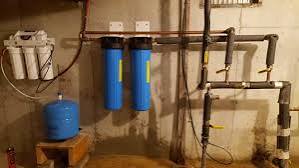
For many workplaces, commercial water filters provide a practical way to improve selected aspects of water quality. Depending on the design, filtration systems may reduce sediment, improve taste and odour, or address specific contaminants identified through testing. Different filter media serve different purposes, so businesses should check the manufacturer’s performance information instead of assuming that every filter does the same job.
Flow rate is another important consideration. A filter that performs well when supplying one tap may struggle when several outlets are operating together. Choosing equipment with suitable capacity helps maintain a dependable supply without creating unnecessary pressure loss.
Businesses should also consider replacement schedules. Filters gradually lose effectiveness as they collect particles or reach the end of their service life. A clear maintenance plan helps staff know when cartridges need changing and reduces the risk of equipment being overlooked during busy periods.
Making Drinking Water Convenient for Staff and Visitors
Access to drinking water may seem like a small detail, but it affects the everyday experience of people using a building. Employees appreciate being able to refill a bottle without leaving the workplace, while visitors often expect drinking facilities to be easy to find and use.
Depending on the setting, commercial water fountains can provide a straightforward way to make drinking water available in shared areas. Offices, educational buildings, recreation centres, and public-facing facilities may benefit from strategically placed drinking stations.
Location makes a difference. A fountain should be easy to reach without obstructing walkways or creating congestion near entrances. In busy environments, consider how many people may use it during breaks or between activities. The unit should be suitable for the expected demand and accessible to the people who need it.
Hygiene deserves equal attention. Drinking stations need regular cleaning, and any filters should be replaced according to the manufacturer’s instructions. Staff should know who is responsible for routine checks, including inspecting the dispensing area and reporting leaks or unusual changes in water taste.
Some businesses may prefer bottle-filling stations or combination units that accommodate different users. The right choice depends on the building layout, available plumbing, budget, and how people are likely to use the facility.
The Special Demands of Commercial Kitchens
Commercial kitchens depend on water throughout the working day. It is used to prepare ingredients, make beverages, produce ice, rinse equipment, and clean food-contact surfaces. When water quality contributes to scale, staining, or unpleasant flavours, the effects can extend beyond the tap itself.
A properly selected commercial kitchen filtration system can help address water-quality concerns relevant to food preparation and kitchen equipment. For example, certain filters can reduce chlorine taste and odour, while treatment designed for hardness may help control mineral deposits in compatible equipment. The correct setup depends on the water analysis and the manufacturer’s specifications.
Hard water is particularly frustrating in kitchens. Mineral scale can accumulate inside kettles, coffee machines, steam equipment, and other appliances that heat water. Over time, deposits may affect performance and increase the amount of cleaning or servicing required. A suitable treatment approach can help manage this problem, although not every filter is designed to remove hardness minerals.
It is useful to review the requirements of each appliance before choosing a system. Coffee machines, ice makers, and commercial dishwashers may have different water-quality recommendations. Following those requirements can support reliable operation and help avoid unnecessary wear.
Installation Should Fit the Working Environment
Commercial equipment needs to fit the building as well as the water supply. Before installation, check the available space, plumbing connections, drainage needs, electrical requirements, and access for future servicing. A system that is difficult to reach can turn routine maintenance into an avoidable headache.
Businesses should also think about what happens during installation. In a restaurant, for example, taking a critical water outlet out of service during peak hours may disrupt operations. Discuss scheduling with the installer and arrange work at a time that minimises inconvenience.
Ask for a clear explanation of the equipment being proposed. The provider should describe what the system is designed to reduce, how much water it can handle, and what maintenance it requires. Written details about installation, replacement parts, and warranty coverage make it easier to plan for the long term.
Maintenance Is Part of the Investment
Even reliable equipment needs regular care. Filters may require replacement, drinking stations need cleaning, and treatment systems may need periodic inspection. Waiting until a problem becomes obvious can lead to service interruptions or additional repair costs.
Create a simple maintenance schedule that lists the equipment, recommended service intervals, and the person responsible for checking it. Keep records of filter changes and service visits. If water pressure drops, taste changes, or leaks appear, arrange an inspection rather than assuming the cause.
Budgeting for routine maintenance is just as important as considering the purchase price. Replacement cartridges, servicing, and occasional repairs contribute to the overall cost of ownership. A slightly more expensive system may be practical if its maintenance requirements and expected performance better suit the business, but the decision should be based on documented information rather than promises.
Choosing a Solution That Works Day After Day
Good commercial water management starts with understanding the building’s needs. Offices may prioritise convenient drinking stations, restaurants may focus on protecting kitchen equipment, and larger facilities may need several treatment methods working together.
Begin with water testing where appropriate, compare equipment designed for the identified issues, and make sure the system can handle the expected demand. Ask questions about maintenance, installation, and long-term costs before committing.
Water is essential to almost every business, yet its importance often goes unnoticed until something stops working properly. With suitable filtration, convenient drinking facilities, and consistent maintenance, businesses can create a more dependable water setup that supports staff, visitors, and daily operations without adding unnecessary complexity.