A kitchen renovation starts with more than choosing a cabinet color. Your cabinets influence storage, workflow, visual balance, and how efficiently you use the room every day. In Redmond, WA, homeowners often need cabinetry that fits both the available space and the way their household cooks, entertains, and stores everyday essentials.
Choosing kitchen cabinets in Redmond, WA requires careful attention to measurements, storage needs, construction quality, and design preferences. A cabinet layout that looks attractive in a showroom is not automatically right for your kitchen. The most effective approach begins by identifying what is not working in your current space and then selecting cabinetry that directly addresses those problems.
Common Kitchen Cabinet Problems Homeowners Face
Outdated cabinets often create practical frustrations. Limited drawer space, awkward corner storage, worn finishes, and poorly planned layouts can make a kitchen feel smaller and harder to use. Cabinets that no longer align with your appliances can also create gaps or interfere with efficient movement between preparation, cooking, and cleanup areas.
Storage is another frequent concern. Deep shelves can make items difficult to reach, while insufficient drawers force cookware and utensils into crowded cabinets. Before replacing cabinetry, make a list of the items you use most often and identify where each category should be stored. This simple exercise helps turn cabinet planning into a functional design process rather than a purely cosmetic update.
Choosing Cabinet Styles for a Redmond Kitchen
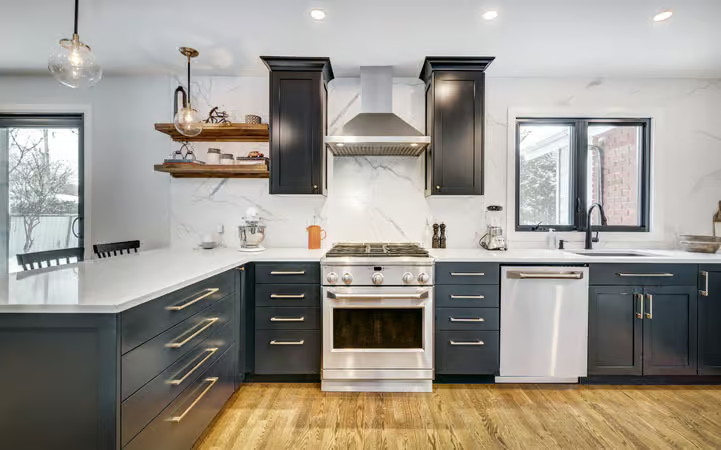
Your cabinet style should complement the architecture of your home while supporting the atmosphere you want to create. Shaker-style doors offer a clean appearance that works across traditional and contemporary interiors. Flat-panel designs provide a streamlined look, while raised-panel doors add more traditional detail.
Color also affects the perceived size and character of the kitchen. Light finishes create an open, bright appearance, whereas deeper wood tones or painted colors provide stronger visual contrast. Mixing cabinet finishes can add definition, but the combination should remain cohesive with countertops, flooring, hardware, backsplash materials, and lighting.
Materials and Construction Matter
Cabinet appearance is only one part of the decision. Pay attention to construction details such as the cabinet box, door material, drawer construction, hinges, and finish quality. When comparing cabinets, ask whether the construction is framed or frameless, whether the cabinet boxes use plywood or particleboard, whether drawer boxes use dovetail joints, and whether the hinges and drawer glides include soft-close mechanisms. These specifications can help explain differences in durability, functionality, and price between cabinet options.
Cabinet buyers should also understand the difference between stock, semi-custom, and custom cabinetry. Stock cabinets are produced in standard sizes and typically offer the quickest and most budget-friendly option, while semi-custom cabinets provide more choices in dimensions, finishes, and configurations. Custom cabinets are built to specific project requirements and can offer the greatest flexibility for unusual layouts, although they may involve higher costs and longer lead times.
For kitchens with high daily use, prioritize durability over short-lived design trends. A well-constructed cabinet system should support your storage requirements while maintaining a consistent appearance over time. Ask about the materials and construction methods before making a purchase, especially when comparing options at different price points.
Design Storage Around Your Daily Routine
The best cabinetry makes frequently used tasks easier. Place everyday dishes and glassware close to the dishwasher or dining area. Store cooking utensils near the primary preparation zone and keep pots, pans, and frequently used ingredients within convenient reach of the cooking surface.
Specialized storage can also improve organization. Features such as deep drawers, pull-out shelves, tray dividers, and dedicated organizers help prevent clutter and make better use of available cabinet space. Corner areas deserve particular attention because poorly planned corners can become difficult-to-access storage zones.
Plan Your Cabinet Upgrade Carefully
Before ordering cabinetry, confirm wall dimensions, ceiling height, appliance locations, plumbing considerations, and door or window clearances. Even a small measurement error can affect installation and appliance fit.
Cabinetry can also be one of the longer-lead items in a kitchen renovation. Lead times vary by cabinet type, manufacturer, availability, and project specifications, so confirm the client’s current lead times before publishing or planning around a specific timeframe. If cabinets are being replaced as part of a larger renovation, account for the expected delivery schedule before booking installation and related work.
Refacing may be another option for homeowners whose existing cabinet boxes are structurally sound but whose doors and finishes are outdated. Instead of replacing the entire cabinet system, refacing can update visible surfaces while retaining the existing boxes. Confirm whether this service is offered before recommending it as an option.
Create a realistic budget that accounts for cabinetry, installation, hardware, countertops, and related work. It is also useful to decide which features matter most to you before comparing designs. Prioritizing storage capacity, durability, or a particular aesthetic helps keep the project focused.
Create a Kitchen That Works for You
The right cabinetry should make your Redmond kitchen easier to organize, more comfortable to use, and better suited to your lifestyle. Instead of selecting cabinets based only on appearance, evaluate the entire system – from layout and storage to construction and finish.
If you are planning a kitchen update, start by assessing your current storage problems and defining what you want the new layout to accomplish. Then explore cabinet options that fit your space, design goals, and budget. Thoughtful planning at the beginning helps you create a kitchen that looks polished and performs well for years.