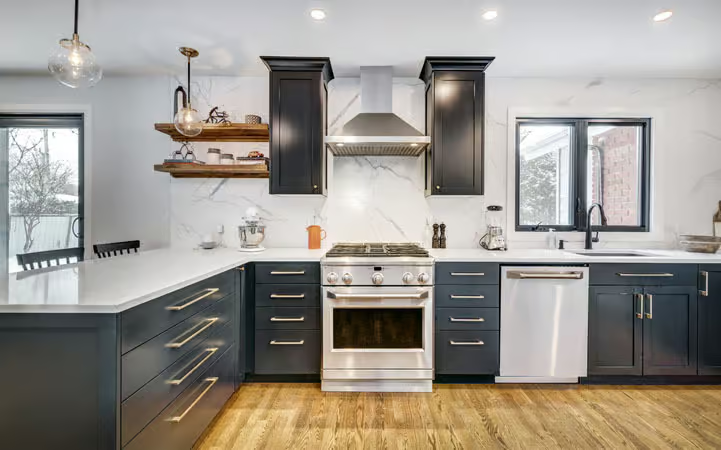
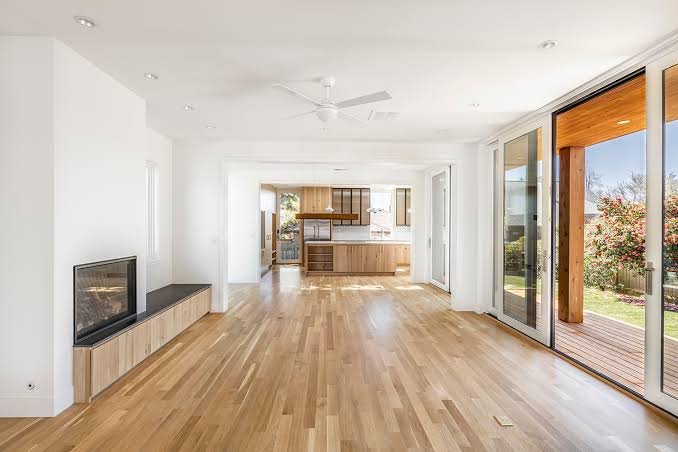
There’s something oddly satisfying about walking into a room that just feels right. You know the kind — a cozy nook where your favorite chair catches the morning light, or a kitchen where everything sits exactly where it should. It’s not magic. It’s thoughtful design. And at the heart of it all lies a subtle craft most people don’t talk about enough: space planning.
The invisible framework of comfort
If interior design were a language, space planning would be its grammar. You don’t always notice it, but it shapes how a space speaks to you. It decides where the sofa faces, how the dining table fits the flow, and whether your living room invites conversation or chaos. A well-planned space doesn’t just look beautiful — it works with you, not against you.
Think of it as choreography. Every piece of furniture, every light source, every pathway has a role to play in how your day unfolds. A well-planned space ensures your home doesn’t just serve a purpose — it reflects your rhythm.
More than measurements and floor marks
A common misconception is that space planning is purely technical — something only architects and designers care about. Sure, there’s math involved, but it’s really more emotional than that. It’s about balance, flow, and intuition.
Sometimes, the best designers break their own rules. That oversized armchair that technically shouldn’t fit by the window? It might just make the space feel alive. The trick lies in knowing when to bend the layout and when to hold firm.
A great interior layout isn’t built only on proportion and distance. It’s about feeling. You can have perfect symmetry on paper but still end up with a room that feels sterile. Conversely, a slightly off-center sofa paired with the right rug and lighting can create warmth that blueprints can’t predict.
Flow — the silent storyteller
Ever walked into a space that just made you stop and breathe easier? That’s flow. It’s the unspoken connection between one area and another — how your eye and body move naturally through the room.
For example, an open-plan living area can be both a blessing and a curse. Without structure, it becomes a noisy void; with thoughtful zoning, it transforms into a living, breathing ecosystem. Rugs define boundaries, pendant lights carve out zones, and subtle furniture placement tells you where the conversation starts and ends.
Flow is less about rules and more about energy. The kind of space where you don’t bump into a coffee table while carrying groceries — that’s the sweet spot.
Every inch tells a story
Let’s be honest: modern homes aren’t getting bigger. We’re learning to live smarter, not larger. That’s where floor planning steps in as your secret ally. It’s about using every inch thoughtfully. Small spaces thrive when every corner earns its keep — when a bookshelf doubles as a divider or a window ledge becomes a mini office.
Floor planning isn’t about squeezing things in; it’s about making them belong. It considers how sunlight moves, where shadows fall, and how to create quiet pockets in busy homes. Even the simplest adjustment — shifting a couch or removing a redundant table — can completely change how a space feels.
Designing for real life, not magazine covers
Real homes aren’t spotless showrooms. They’re lived-in, a little messy, full of quirks and character. That’s why the best interior design advice always starts with understanding how you live.
A family with two toddlers will need open play zones and soft edges. A remote worker will crave a well-lit desk and peace from background noise. A minimalist may find joy in bare surfaces, while a collector thrives in organized chaos.
When planning a space, it’s okay to leave room for life to happen. Don’t fill every wall. Let there be breathing space. A home should evolve — just like its people.
The emotional side of structure
Good design speaks to emotion, not ego. It’s easy to get lost in trends — minimalism, maximalism, Japandi, coastal, whatever’s in this month — but timeless interiors are built around function and feeling.
The couch you sink into after a long day. The warm lighting that makes your book glow at night. The way a kitchen island naturally becomes a gathering spot — those are the real triumphs of design. You might not even notice why it feels so good. That’s the beauty of invisible planning done right.
Where creativity meets practicality
At its best, interior design walks a fine line between art and science. It’s part psychology, part geometry, and part storytelling. A well-thought-out layout allows creativity to shine without losing purpose.
For instance, bold wallpaper might look stunning in a hallway but overwhelming in a study. A statement light fixture could elevate a dining room yet feel distracting in a bedroom. Understanding the subtle interaction between aesthetics and function is what separates a space that merely looks good from one that genuinely feels good.
The joy of getting it right
When your space finally clicks — when you move through it effortlessly, when everything feels harmonious — there’s a quiet sense of satisfaction that’s hard to describe. You’ll find yourself pausing, maybe with a cup of coffee in hand, just appreciating how naturally everything flows.
That’s when you know the design did its job. Not because it’s trendy or Instagram-perfect, but because it simply feels like you.
Wrapping it up — the rhythm of living spaces
Designing a home isn’t about perfection; it’s about connection. It’s about building a space that echoes your lifestyle, not someone else’s Pinterest board. Whether you’re rearranging a single room or planning an entire renovation, start with flow, purpose, and emotion.
Because when a home reflects how you actually live — when the furniture, light, and layout all hum in quiet agreement — it doesn’t just look better. It lives better.
And that’s the real beauty of good design: it disappears into the background while making everything else shine.