
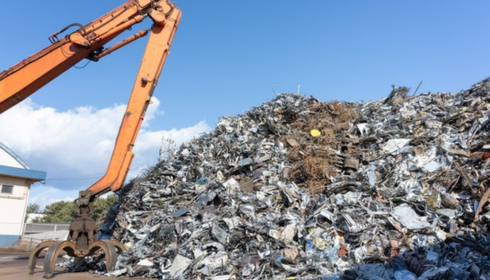
As India moves towards a more sustainable and resource-efficient economy, the scrap business in India is emerging as a powerful opportunity for entrepreneurs. From metal and e-waste to end-of-life vehicles and solar panels, the demand for organized recycling is expanding rapidly. Setting up a recycling plant in India is not just a profitable venture, it is a long-term investment in environmental stewardship and circular growth.
Understanding the Scope of the Recycling Business in India
India is currently one of the fastest-growing recycling economies in the world. The scrap recycling industry is diversifying beyond traditional ferrous and non-ferrous metals into new-age segments such as solar panel scrap, automotive tyre scrap, copper-aluminium radiator scrap, brass scrap, and electronic waste.
Each of these categories offers distinct opportunities:
- Solar Panel Scrap: As India accelerates its renewable energy adoption, aging solar panels are creating demand for efficient recycling. Valuable components such as aluminium, glass, silver and rare earth metals can be recovered from end-of-life panels.
- Automotive Tyre Scrap: With millions of vehicles on Indian roads, tyre replacements are generating a huge volume of scrap. Recycled rubber and re-treaded tyres are in demand across industries, including road construction and manufacturing.
- Copper-Aluminium Radiator Scrap: The growing automotive and industrial sectors are increasing the need for aluminium ingot production. High prices of virgin metals are also driving manufacturers to rely more on recycled copper and aluminium.
- Brass Scrap: The brass recycling segment supports electrical, plumbing and industrial applications. Its high recyclability makes it a sustainable alternative to raw material extraction.
- Electronic Waste (E-Waste): India’s digital boom has led to exponential growth in discarded electronics. From smartphones to laptops, e-waste recycling allows recovery of plastics, base metals, and precious materials like gold and silver.
This growing variety of recyclable materials is fuelling a new wave of entrepreneurship in the recycling business across India.
Step-by-Step Guide to Starting a Scrap Recycling Business in India
- Research and Select Your Scrap Niche
Identify which category you want to focus on, be it metal, plastic, e-waste, tyres, or multi-material recycling. Each has its own machinery requirements, regulations and market potential.
- Obtain Licenses and Registrations
Secure necessary approvals from the Central Pollution Control Board (CPCB) and respective state boards. Depending on your category, you may need licenses for handling hazardous waste or e-waste.
- Set Up the Recycling Plant
Choose a location with easy access to transport routes and scrap sources. Setting up a recycling plant in India can cost anywhere between ₹15 lakhs to ₹1 crore, depending on scale and automation. Invest in quality shredders, sorting lines and pollution control systems to meet compliance standards.
- Build Your Supply Network
Partner with scrap collectors, industries and municipal bodies for consistent sourcing of waste materials. In many recycling segments, a reliable raw material supply chain is key to profitability.
- Invest in Technology and Skilled Labour
Automation and precision processing help improve recovery rates and product quality. Hiring skilled technicians and ensuring worker safety are critical for operational efficiency.
- Focus on Compliance and Sustainability
Adhere to waste management rules, implement EPR (Extended Producer Responsibility) frameworks, and adopt sustainable practices. A transparent and compliant business model builds long-term credibility.
- Explore Value-Added Opportunities
Beyond basic recycling, entrepreneurs can expand into producing value-added products such as recycled alloys, pellets, construction materials, or renewable energy components. This vertical integration can enhance profit margins and brand value.
Pioneering the Future of Recycling
India’s journey towards a circular economy depends heavily on organized recycling infrastructure and responsible business practices. Leading recycling companies in India are already redefining how resources are recovered, reused and repurposed.
Jain Metal Group, one of India’s foremost names in metal recycling, exemplifies this transformation. With decades of experience in sustainable operations, the Group continues to expand its footprint across emerging segments — from green copper cathode production to multi-material recovery — driving innovation and responsibility in equal measure.
By building efficient, technology-driven recycling ecosystems, the Group is not only powering industrial growth but also shaping a future where economic progress and environmental preservation go hand in hand.