
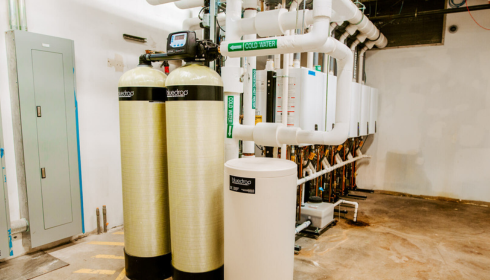
There’s something oddly satisfying about the sound of water flowing cleanly through a system that just works. In commercial settings, though, clean water isn’t just about satisfaction—it’s about necessity. Whether you’re running a restaurant, a car wash, a manufacturing plant, or even an office building, the quality of water running through your pipes touches nearly every part of the operation.
And yet, for many business owners, it’s an afterthought. Water just… flows, and that’s good enough, right? Not quite.
The reality is, poor water quality doesn’t just leave spots on glasses or mineral buildup on machinery—it chips away at efficiency, product quality, equipment longevity, and ultimately, your bottom line. Clean water isn’t a luxury; it’s infrastructure.
The Hidden Costs of “Good Enough” Water
Let’s say you’re running a mid-sized cafe. Your espresso machine is your workhorse. It gets used a hundred times a day, maybe more. Now imagine feeding it hard water with high mineral content. Over time, scale builds up. Maintenance costs go up. Flavor quality goes down. And eventually, so does customer satisfaction.
This isn’t just a hypothetical—it’s a common, real-world problem. Across industries, businesses silently lose thousands each year due to untreated or poorly treated water.
And this is where commercial filtration quietly saves the day. It’s not glamorous. It won’t get you likes on social media. But it will make your equipment last longer, your product taste better, and your operations run smoother. That’s a win in any book.
What Filtration Really Means in a Commercial Context
Filtration isn’t just about pulling out the “big stuff.” It’s about designing a system that adapts to your water source, your business, and your usage. For example, city water might have chlorine and sediment. Well water? That could bring iron, bacteria, or sulfur smells into the picture.
A one-size-fits-all filter won’t cut it.
Modern commercial reverse osmosis systems go beyond basic filtering. They push water through semi-permeable membranes, separating contaminants down to the molecular level. It’s high-level science quietly working in the background, ensuring your output—whether it’s coffee, clean linens, or cooling tower water—is consistent and safe.
And while it might sound like overkill, reverse osmosis isn’t just for labs and tech companies anymore. It’s become mainstream, accessible, and scalable for everything from boutique hotels to massive manufacturing plants.
But What About Softening? That’s a Whole Different Animal
Let’s zoom in on hardness for a second. Hard water doesn’t always look dirty, but it’s loaded with calcium and magnesium that can wreak havoc on pipes, valves, heaters, and any equipment that deals with heat.
That’s where commercial water softeners come into play. They don’t just make soap lather better (though they do that, too). They extend the life of your infrastructure. They lower your energy bills. And they reduce downtime from maintenance. In businesses where every hour of operation counts, that adds up—fast.
I’ve seen places that pushed off installing a softener, thinking it wasn’t a big deal. Six months later? Scale buildup, clogged sprayers, higher detergent costs, and a hefty plumbing bill. That’s the true cost of “maybe later.”
It’s Not Just About Water—It’s About What the Water Touches
If you’re still reading, maybe you’re already water-aware. Or maybe you’ve had that one piece of equipment break down one too many times. Either way, here’s the deal: your water setup is just as important as your electricity, your Wi-Fi, or your HVAC.
Water touches your dishes, your machines, your customer experience. Even if you’re not in food service or manufacturing, poor water can leave deposits on restroom fixtures, streaks on windows, and weird smells in the break room. These little things affect your brand—sometimes more than you think.
So whether it’s a custom filtration system, a RO setup, or a high-capacity softener, the question isn’t “Should I invest in water treatment?” It’s “How much is untreated water costing me right now?”
Choosing the Right System: Avoid the Gimmicks
There are flashy solutions out there—trust me, I’ve seen the brochures. But your water treatment system doesn’t need to look like a spaceship. It needs to be dependable. Scalable. Serviceable. And backed by someone who understands your water challenges, not just your ZIP code.
Start with a test. Any reputable vendor will help you analyze your water before pitching a product. Be wary of off-the-shelf solutions that promise to fix everything with a single filter.
Your needs might include pre-filters, sediment filters, carbon filtration, reverse osmosis, and softening—all working together like a symphony. That’s the kind of setup that pays off over time.
Future-Proofing Your Business
Clean water isn’t just a perk—it’s a competitive edge. It allows you to run leaner, maintain consistency, and serve better. It’s also one of those investments that keeps working behind the scenes, quietly saving you money every single day.