A renovation can look deceptively simple at first. You pull out an old cabinet, remove a few damaged boards, and clear some clutter from the garage. Then the pile grows. Suddenly, there’s broken drywall beside the driveway, flooring stacked near the entrance, and packaging taking up space you need for tools. Waste has a way of becoming a bigger part of a project than anyone expects.
Choosing the right dumpster before the work begins can make that mess easier to manage. The trick is to think beyond the size of the debris pile you see today. Consider what will be removed later, how heavy the materials are, how quickly waste will accumulate, and where the container can safely sit. A little planning helps prevent extra trips, unexpected costs, and unnecessary delays.
Start With a Realistic Estimate
Before booking a dumpster, walk through the property or worksite and make a rough list of the materials you expect to discard. A kitchen renovation might produce cabinets, countertops, tiles, and packaging. A garage cleanout could involve old furniture, boxes, shelving, and miscellaneous household items. Although both projects may take up similar space, their waste can differ considerably in weight and shape.
Think about the entire project, not just the first stage. Demolition often creates a sudden surge of debris, while landscaping or general construction may produce waste steadily over several days. If you’re working with a contractor, ask how much material they expect to remove and whether the job is likely to require more than one collection.
You don’t need an exact calculation to make a sensible choice. A reasonable estimate, combined with advice from a rental provider, is usually a better starting point than guessing based on appearance alone.
When a Medium-Sized Dumpster Makes Sense
For many homeowners, a medium-sized container offers a practical balance between capacity and space. It can handle a substantial amount of debris without taking over the entire driveway or creating access problems around the property.
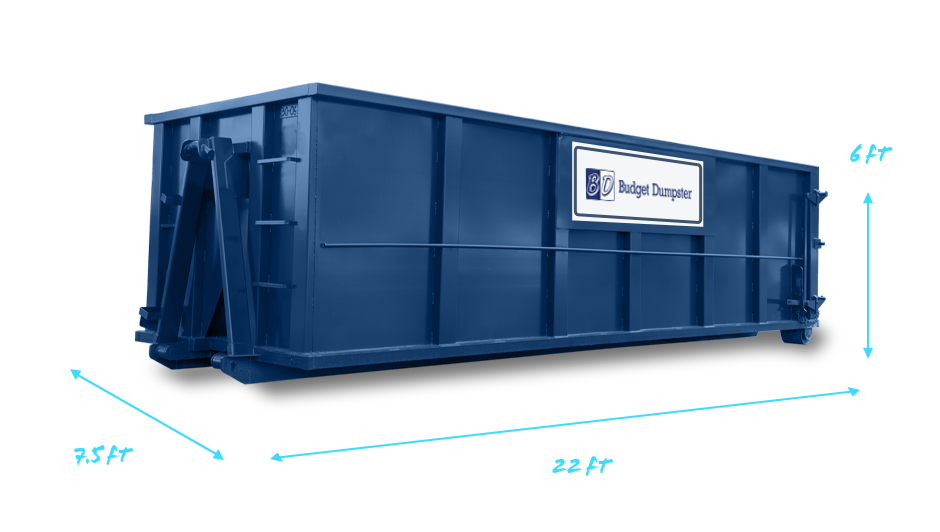
A 20 yard dumpster is commonly considered for projects such as multi-room cleanouts, flooring removal, moderate renovations, and certain roofing jobs. It offers room for bulky materials, though the amount it can hold depends on the dimensions of the container and the kind of waste being loaded. Heavy debris may reach the weight allowance before the available space is used.
Consider where the waste will come from, too. If you’re removing old flooring from several rooms, the material may stack relatively flat. If you’re clearing a basement filled with furniture and mixed household items, the same volume may be less predictable. Discuss these details when arranging delivery so the recommended container fits the work rather than simply matching a generic project description.
Handling Larger Renovations and Building Jobs
Some projects generate more waste than expected, especially when walls, fixtures, or several rooms are being renovated. Commercial interiors, extensive home improvements, and property cleanouts can produce a steady stream of bulky materials. In these situations, a larger container may reduce the need for an early exchange.
A 30 yard dumpster can be a suitable option for many larger renovation and construction jobs. Its additional capacity may help accommodate drywall, timber, flooring, furniture, and other accepted materials as the project progresses. Still, it isn’t automatically the right choice for every large job. Dense materials such as concrete, soil, and certain roofing debris can add weight quickly, so the permitted load matters as much as the container’s volume.
Placement becomes more important as the container grows. Measure the intended area and make sure the delivery truck has enough room to approach and position it. Check for overhead wires, low branches, narrow gates, and nearby vehicles. A dumpster that technically fits on the property may still be difficult to deliver if access is restricted.
When You Need Room for a Major Cleanup
Large construction projects, extensive demolition, and major property cleanouts may require a container with substantial capacity. When several rooms are being stripped out or a building is undergoing significant renovation, waste can accumulate faster than a smaller dumpster can comfortably handle.
A 40 yard dumpster is often considered for high-volume projects involving bulky, relatively lightweight debris. It can provide considerable space, but weight limits still apply. Loading concrete, dirt, brick, or other dense materials into a large container may reach the permitted weight long before it appears full.
Before choosing this size, ask the provider whether your materials are suitable for the container and whether any special loading restrictions apply. Some waste types may need a dedicated container or separate disposal arrangement. Hazardous materials, certain electronics, batteries, and chemicals are generally not suitable for ordinary roll-off dumpsters, so check the accepted-material list in advance.
It’s also worth thinking about the project’s surroundings. On a busy construction site, a large container may help centralise debris, but it shouldn’t obstruct delivery routes, emergency access, or equipment movement. The goal is to create a more organised work area, not another obstacle.
Understand Weight Limits Before Loading
Dumpster size is usually discussed in cubic yards, which describes volume rather than weight. That distinction matters. A container filled with cardboard and packaging can weigh far less than one filled to a similar level with concrete or roofing shingles.
Ask about the weight allowance included in the rental price and what happens if the load exceeds it. Some providers charge additional fees for overweight containers, while certain materials have specific limits or require a different disposal method.
Distribute waste carefully and follow the provider’s instructions about the fill line. Debris should not extend above the container’s permitted level, and heavy items should be loaded in a way that keeps the contents stable. Never assume that an extra layer can be added simply because the dumpster doesn’t look completely full.
Plan Delivery, Placement, and Collection
A successful rental depends on timing as well as capacity. Arrange delivery close to when waste removal begins, and consider how long the container will be needed. If work is likely to run late because of weather, inspections, or unexpected repairs, ask about extensions before booking.
Keep the area around the dumpster accessible. If workers have to carry debris a long distance, the cleanup may take longer than necessary. At the same time, leave enough room for people and vehicles to move safely. If the container will sit on a driveway, ask whether protective boards are advisable.
Schedule collection before the container becomes an obstacle or reaches its limit. Waiting until the last minute can leave waste piled around the site, undermining the reason for renting a dumpster in the first place.
Compare the Full Cost, Not Just the Starting Price
The total rental cost may include delivery, collection, a set rental period, disposal charges, and a specific weight allowance. Extra fees may apply for overweight loads, prohibited materials, or rental extensions. Ask for a written estimate that explains these terms clearly.
When comparing providers, make sure you’re looking at similar container sizes, rental periods, and service conditions. The lowest advertised price may not represent the best overall value if important charges are excluded.
Make the Decision Before the Debris Piles Up
The right dumpster makes it easier to keep a project moving, whether you’re updating a home, clearing a property, or coordinating a construction site. Start with a realistic estimate, consider both volume and weight, and check the space available for delivery.
Most importantly, ask questions before committing. A rental provider can help you match the container to the materials and schedule you describe. With the right plan in place, waste removal becomes a manageable part of the job instead of a problem that keeps getting in the way.