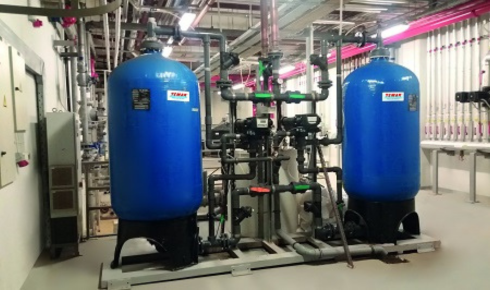
If you live in a rural area or even just outside of town, chances are your home depends on well water. And while there’s something undeniably charming about drawing water straight from the earth, it also comes with its own little bag of quirks — some harmless, some… not so much. Just because it looks clear doesn’t mean it’s good to drink, cook with, or even bathe in.
It’s easy to ignore small things — that faint metallic taste in your morning coffee, the rust stains creeping into the edges of your porcelain sink, or the occasional sulfur smell that wafts up from the tap. But here’s the thing: those subtle signs are usually your first clues that your well water treatment needs serious attention.
Water That Stains Your Sink Can Stain Your Health
Let’s talk about iron. Sure, our bodies need it — but only in the right form and the right amounts. In your water, it’s another story. Excessive iron not only turns your tub and toilet a lovely shade of orange but can also feed bacteria in your plumbing and affect the taste of everything you cook or drink.
And it’s not just an aesthetic issue. Long-term exposure to high levels of iron can impact your skin, your appliances, and yes, your overall water quality. The good news? Professional iron removal systems can do wonders, filtering out both ferric (visible) and ferrous (dissolved) iron — so you’re not constantly scrubbing away rust rings or buying bottled water to avoid the metallic aftertaste.
It’s What You Don’t See That Matters Most
While iron might give itself away with color or taste, other contaminants are far sneakier. Nitrates, for instance, are completely colorless and odorless — but in high amounts, they’re no joke. Often found in areas near agriculture or septic systems, they can seep into groundwater and make their way straight into your drinking glass.
For infants and pregnant women especially, nitrates can pose serious health risks. That’s why nitrates removal isn’t just a technical solution — it’s a proactive step in protecting your family. Modern filtration systems using ion exchange or reverse osmosis are specifically designed to catch these invisible threats and flush them out before they reach your tap.
The DIY Myth: Why Filters from the Store Just Don’t Cut It
You’ve probably seen water filters at your local hardware store promising sparkling clean water in a single cartridge. Here’s the thing: they’re not lying… but they’re not telling the whole truth either. Most off-the-shelf filters are designed for treated city water, not the unpredictable chemistry of groundwater.
Your well water might contain bacteria, heavy metals, high mineral content, or even pesticides. Trying to solve that with a $30 pitcher filter is like using a Band-Aid on a leaky pipe. A true solution starts with testing — not guessing — and tailoring a treatment system that fits your exact situation.
Small Signs That Shouldn’t Be Ignored
If your water has a slight eggy odor, leaves mineral deposits on fixtures, or causes your laundry to come out stiff or stained — don’t dismiss it. These symptoms often signal deeper issues like hydrogen sulfide, hardness, or contamination. Over time, untreated problems can damage plumbing, ruin appliances, and even reduce the efficiency of your hot water system.
Think of it like car maintenance. You wouldn’t skip oil changes and just hope your engine keeps running. Your water system deserves the same kind of care.
It’s Not Just a System, It’s Peace of Mind
At the heart of any great well water treatment setup is trust — in the equipment, in the installer, and in the water you’re giving your family. Whether it’s a sediment filter, UV purifier, water softener, or multi-stage system, the goal is always the same: safe, clean water on demand, without the stress.
And let’s be honest — there’s something deeply satisfying about turning on the tap and knowing you’ve handled whatever your local groundwater tried to throw your way.
Maintenance Isn’t a Burden. It’s a Smart Habit.
Here’s a fact most people overlook: water systems, no matter how high-end, need occasional checkups. Filters clog. Tanks build up sediment. And over time, water conditions can shift slightly — especially after heavy rains or droughts.
Scheduling regular inspections or even a simple annual service can keep everything running like clockwork. Think of it as tuning up your peace of mind.
Wrapping Up: Don’t Wait for “Bad” to Get Worse
If your water is giving you small red flags, don’t ignore them. A minor issue today could be an expensive repair — or worse, a health risk — down the road. Start with a water test. Learn what’s actually in your water. Then work with someone who knows how to fix it, not just sell you a system.