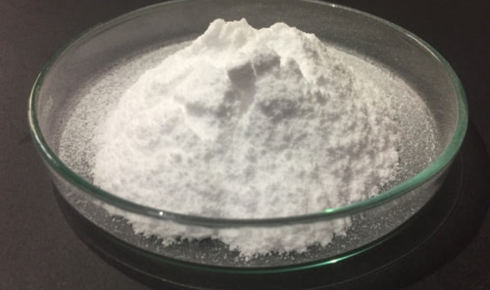
Water is one of the most vital resources in both industrial and agricultural applications. However, untreated or hard water can cause inefficiencies, equipment damage, and chemical imbalances. Over time, industries have turned to reliable solutions that not only clean but also preserve the integrity of water systems. One such powerful agent is EDTA disodium salt, a compound known for its ability to bind and remove unwanted metal ions from water.
Used across a variety of treatment plants and chemical systems, EDTA disodium salt is more than just a cleaning compound. It plays a crucial role in ensuring water quality, particularly in industrial setups where precision matters.
How EDTA Disodium Salt Works in Water Systems
EDTA disodium salt acts as a chelating agent. This means it forms stable complexes with metal ions like calcium, magnesium, and iron. These metals, when present in excess, can result in scale formation and reduce the efficiency of equipment. By binding to these metal ions, EDTA disodium salt prevents them from reacting with other chemicals or depositing on surfaces.
This process helps soften the water and improves the overall efficiency of chemical reactions, cleaning processes, and equipment longevity. Industries that rely on boilers, cooling towers, and manufacturing systems benefit greatly from this function.
Supporting Clean and Stable Water Systems
One of the main advantages of EDTA disodium salt in water treatment is its stability across a wide pH range. Whether the water is slightly acidic or alkaline, this compound continues to work effectively, binding metal ions and reducing hardness.
It also enhances the performance of cleaning agents and other additives by preventing interference from metal contaminants. In wastewater treatment, it aids in removing heavy metals, ensuring the water released back into the environment meets safety standards.
Applications Beyond Softening
While the most common role of EDTA disodium salt is water softening, it is also used in processes that require high-purity water. Laboratories, pharmaceuticals, and food processing units depend on water that is free from reactive metal ions. This is where chelation becomes critical.
The compound also supports other chemical processes, acting as a stabilizer or catalyst depending on the need. In agricultural setups, where irrigation systems use borewell or hard water, it helps maintain system efficiency and crop health.
Choosing a Trustworthy Supplier
When it comes to sourcing EDTA disodium salt for water treatment, the choice of manufacturer makes a significant difference. Quality, consistency, and technical expertise are essential. ACI Industries stands out as a brand that offers a reliable supply of chelating agents tailored for industrial and agricultural needs. Their commitment to quality and customer support has made them a trusted name in the sector.
Why EDTA Disodium Salt Matters
In water treatment, prevention is always better than correction. Using EDTA disodium salt helps industries stay ahead of scaling problems, corrosion, and water quality issues. It also aligns with sustainable practices by improving efficiency and reducing the need for excessive chemical use.
When paired with other chelated micronutrients like Fe EDTA or zinc EDTA, it can also support broader applications in crop care and fertilizer formulations. Its versatility, coupled with proven results, makes it one of the most valued compounds in water treatment processes.