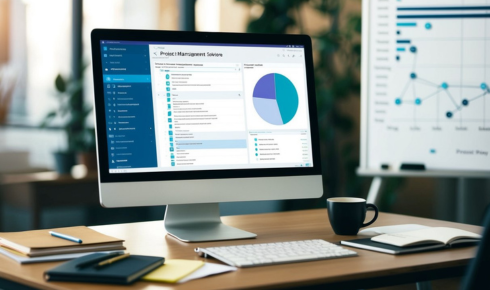
If you’ve ever walked a construction site, you know the atmosphere is a mix of noise, dust, deadlines, and constant problem-solving. A project manager might be juggling a late shipment, a client call, and a subcontractor who swears the blueprints changed overnight. In that world, clarity is rare, but it’s also priceless. That’s where today’s digital tools step in—not just to track numbers, but to give people back a sense of control over the chaos.
And if you’re in construction, you’ve probably heard the phrase project controls software floating around a lot more these days. It’s not just a buzzword. It’s quickly becoming the backbone of how contractors, owners, and managers keep their projects moving without losing money—or their minds.
From Spreadsheets to Smart Systems
For decades, spreadsheets were the lifeline. Budgets, schedules, daily logs—all trapped in columns and rows. Useful, yes. But reactive. By the time a manager spotted a problem, it was usually too late to fix without paying the price.
Now, the shift is toward systems that don’t just document but actually think. Imagine logging in and seeing not just how far behind your schedule is but why—and what will happen if nothing changes. These tools surface insights buried deep in data, turning “I didn’t see that coming” into “I knew this would happen if we kept going.” That change in perspective is massive.
The Rise of SmartPM
Among the names making waves, the SmartPM project controls tool is one that comes up again and again in industry conversations. Unlike traditional scheduling platforms, SmartPM digs deeper into performance analysis. It helps teams understand the cause-and-effect relationships between schedule decisions and project outcomes.
Think of it as having an extra set of eyes—ones that never sleep, never miss a detail, and never fudge the math. Project leaders who’ve used it often talk less about “tracking” and more about “forecasting.” And in construction, being able to see a problem months in advance instead of weeks? That’s not just helpful—it can be the difference between profit and loss.
Why Contractors Can’t Afford Guesswork
Margins in construction are notoriously thin. A single misstep, like a delayed material delivery or underestimated labor, can wipe out weeks of progress and thousands of dollars. When decisions are made by gut feel alone, the risk multiplies.
That’s why many companies are leaning into tools that blend automation, analysis, and reporting in real time. It’s not about replacing human judgment; it’s about supporting it with hard facts and predictive models. In a business where weather, supply chains, and manpower are all unpredictable, having a safety net of data can make projects more resilient.
Automation Without Losing the Human Touch
Contractors can be skeptical—and for good reason. They’ve seen tech come and go, each promising miracles and delivering headaches. But the current generation of platforms, especially automation software for general contractors, has learned from those mistakes.
Instead of overwhelming teams with complexity, these systems integrate directly into workflows. Daily reports, timesheets, and schedules update automatically, freeing up managers to focus on solving real problems rather than typing numbers into endless forms. One superintendent I spoke with put it this way: “The software doesn’t do my job for me. It just gives me the head start I need to do it better.”
That blend—automation for the routine, human oversight for the strategic—is what’s making adoption grow faster than anyone predicted a few years ago.
Bridging the Gap Between Office and Field
Another huge benefit of modern project control systems is how they connect the field to the office. Traditionally, field crews worked off one set of numbers while executives tracked another, leading to frustrating mismatches.
Now, data moves seamlessly between both. If a delay happens in the field, the system adjusts the forecast instantly, so leadership isn’t blindsided weeks later. Transparency like this builds trust—both internally and with clients. Nobody likes surprises in construction, and having a common source of truth keeps everyone aligned.
Beyond Cost and Schedule
While budgets and timelines are the obvious places these tools shine, their influence stretches further. Safety compliance, resource allocation, and even environmental goals are increasingly tied into project control systems.
For example, tracking material waste in real time can highlight inefficiencies before they spiral. Monitoring labor productivity helps ensure teams aren’t just working hard but working smart. These smaller insights add up, creating projects that don’t just meet the deadline but do so responsibly and sustainably.
What Success Looks Like
The real proof is in results. Companies using advanced project control systems often report fewer disputes, stronger client relationships, and higher profitability. Projects don’t magically become easy—construction never is—but they do become more predictable. And predictability is a gift in an industry where uncertainty is the norm.
Imagine finishing a job and not having to justify every change order with endless documentation because the system tracked it all for you. Or winning repeat business because your client saw transparency from day one. Those aren’t pipe dreams; they’re already happening for companies willing to embrace smarter controls.
The Human Element
It’s worth noting: no matter how powerful the software, it’s still people who build the projects. Technology amplifies their work, but it doesn’t replace experience, intuition, or leadership. A foreman with 20 years in the field still knows things no software can predict.
The beauty is when those two forces work together—human judgment guided by data. That’s when mistakes shrink, efficiency rises, and stress levels start to ease just a little.
Wrapping It Up
The construction world isn’t slowing down. Projects are bigger, deadlines are tighter, and expectations are higher. Relying on spreadsheets and crossed fingers isn’t enough anymore. The shift toward intelligent project controls is less about chasing trends and more about survival—and success.
If you’re a contractor still debating whether to make the leap, think about this: Do you want to spend your time firefighting problems that already blew up, or steering around them before they even spark? That’s the real choice on the table.
As someone once told me on a busy site, “The only thing worse than making a mistake is not seeing it until it’s too late.” With modern project controls, you get that extra set of eyes. And in this industry, that can make all the difference.