
There’s a certain point where everyday annoyances stop feeling random. The soap never quite lathers the way it should. Your glasses come out of the dishwasher cloudy, no matter how much rinse aid you use. Towels feel stiff instead of soft, and your skin seems dry even after a quick shower. None of this is dramatic enough to feel like an emergency, but together, it starts to wear on you.
Many homeowners live with these issues for years, quietly adjusting their routines instead of asking the bigger question: what if the water itself is the problem?
The Water We Live With, Not Just Use
Water isn’t just something we consume. It touches almost every part of our daily lives. It flows through pipes, heats our homes, cleans our clothes, and interacts with our skin and hair multiple times a day. When water quality is off, the effects ripple outward in subtle but persistent ways.
What makes this tricky is that most of us grow up assuming our water is “fine” unless it looks dirty or smells strange. But water can be clear, odorless, and still cause long-term frustration. That’s because many common water issues aren’t about safety—they’re about balance.
Why These Little Problems Add Up Over Time
At first, the inconveniences seem harmless. You buy stronger detergent. You scrub fixtures more often. You replace a kettle sooner than expected. Over time, though, these small adjustments start to cost real money and energy.
Appliances work harder when mineral buildup coats heating elements. Pipes narrow slowly as scale forms inside them. Water heaters lose efficiency, quietly pushing energy bills higher. None of this happens overnight, which is why it’s easy to ignore.
But water has a long memory. It keeps doing what it does, day after day, until something finally gives.
The Mineral Story Most Homes Share
In many regions, the underlying issue is hard water—water that contains higher levels of minerals like calcium and magnesium. These minerals aren’t dangerous to drink, but they’re notorious for the mess they leave behind.
You see them as white spots on faucets, rings in sinks, and residue on shower doors. You feel them when soap refuses to rinse cleanly. You notice them when laundry feels rough instead of cozy.
Hard water isn’t a personal failure or a maintenance mistake. It’s a natural result of local geology. The question isn’t why it exists, but how you choose to deal with it.
Comfort Isn’t a Luxury—It’s a Baseline
Many people assume that addressing water quality is about luxury or convenience. In reality, it’s often about restoring a baseline level of comfort that’s been missing for years.
Balanced water feels different. Showers are gentler. Skin doesn’t feel tight afterward. Hair behaves better without needing a shelf full of products. Cleaning takes less effort, and things stay clean longer.
These changes don’t feel flashy. They feel normal. And that’s the point.
Understanding the Installation Side Without the Intimidation
One reason people delay solutions is the fear of complexity. Anything involving plumbing sounds invasive, expensive, and disruptive. That fear isn’t entirely unfounded—poor planning can turn simple upgrades into headaches.
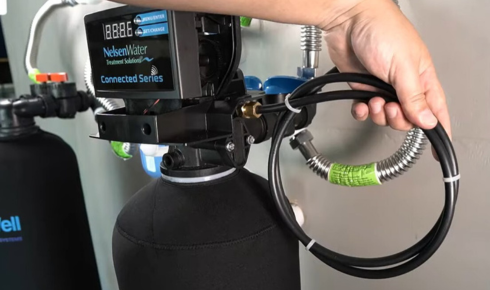
But when water softener system installation is approached thoughtfully, it’s usually far less dramatic than expected. A proper setup considers household size, water usage patterns, and local water composition. It’s not about overengineering; it’s about fitting the system to the home.
Good installations are quiet. They don’t demand daily attention. They simply work in the background, letting you forget they’re there.
The Emotional Shift People Don’t Expect
What surprises many homeowners isn’t just the physical difference—it’s the emotional one. There’s a strange relief in no longer fighting your own house. When fixtures stay clean and appliances behave, daily routines feel lighter.
You stop second-guessing your cleaning habits. You stop blaming products that were never the problem. You stop planning around water quirks you thought were unavoidable.
That mental load lifts slowly, and one day you realize you haven’t thought about water issues in months. That’s when you know the change stuck.
Long-Term Value Hides in the Background
From a financial perspective, better water quality often pays for itself over time. Appliances last longer. Maintenance costs drop. Energy efficiency improves as systems operate without mineral interference.
These savings don’t arrive as a single, satisfying check. They show up gradually—in fewer repairs, fewer replacements, and lower utility bills. It’s the kind of value that rewards patience rather than impulse.
And unlike many home upgrades, improved water quality benefits every room, every day.
Not Every Home Needs the Same Solution
It’s worth saying out loud: there’s no universal fix. Two homes on the same street can experience water differently depending on plumbing age, usage habits, and household size. What works beautifully for one family might be unnecessary or insufficient for another.
That’s why testing and honest assessment matter. The goal isn’t to install the biggest or most expensive system. It’s to solve the actual problem and nothing more.
When solutions are tailored, satisfaction tends to follow.
Water as Part of a Thoughtful Home
A comfortable home isn’t just about furniture or finishes. It’s about systems that support daily life without friction. Heating, lighting, air quality—and yes, water—all play a role in how a space feels to live in.
Improving water quality doesn’t change who you are or how you live. It simply removes a layer of resistance you may not have realized was there.
And sometimes, the best home upgrades aren’t the ones people notice right away. They’re the ones that quietly make everything else easier.
Ending Where It All Begins
Water will always be part of your life. It flows through your home whether you think about it or not. The choice is whether it works against you or with you.
When water feels balanced, life feels smoother. Fewer chores, fewer frustrations, fewer “why does this keep happening?” moments. Just a home that behaves the way it should.
And in a world full of complicated fixes and loud solutions, that kind of quiet improvement is often the most satisfying of all.