
Water is funny that way. It’s always there, quietly doing its job, until one small thing makes you notice it. A glass that tastes a little off. A kettle with stubborn white buildup. Skin that feels dry no matter what soap you switch to. None of these moments scream “problem,” but together they nudge you into awareness. And once you start paying attention to your water, it’s hard to stop.
Most people don’t wake up planning to rethink their water. It happens gradually, through daily life, through repetition, through tiny inconveniences that stack up over time.
The moment water stops being invisible
We treat water like a given. Turn the tap, trust the result. That trust usually comes from habit, not from knowledge. And habits are powerful. You can live in a house for years without questioning what’s flowing through the pipes, assuming clear means clean and tasteless means pure.
Then something shifts. Maybe you visit a friend’s house and notice their water tastes better. Maybe an appliance breaks earlier than expected. Maybe a plumber casually mentions scale buildup and moves on, but the comment sticks with you. Suddenly, water isn’t invisible anymore.
That’s when curiosity steps in.
Understanding what “clean” really means
Clean water doesn’t always mean the same thing to everyone. For some, it’s about taste. For others, it’s about protecting plumbing. Some people worry about minerals, others about chemicals, others about all of it at once. The truth is, water quality is deeply personal because it interacts with your home in specific ways.
This is where conversations about home water quality start to matter. Not in an abstract, scientific sense, but in a practical one. How does your water affect your daily routines? Your coffee? Your laundry? Your showers? Your appliances?
Once you frame it that way, the topic becomes less overwhelming and more grounded.
Filters aren’t just filters
One thing people often realize quickly is that “filter” is an incredibly broad word. Pitcher filters, faucet attachments, under-sink units, whole-house solutions—these are all wildly different tools designed for different goals. Lumping them together only creates confusion.
True water filtration is about matching the solution to the problem. Removing chlorine taste is a different task than managing hardness. Sediment requires a different approach than dissolved contaminants. The better you understand what’s in your water, the easier it becomes to choose something that actually helps.
Otherwise, you’re just guessing and hoping for the best.
Why whole-home solutions feel different
Many homeowners start small, and that makes sense. A pitcher here, a cartridge there. Sometimes that’s enough. But others notice that while drinking water improves, everything else stays the same. Showers still leave residue. Appliances still struggle. Fixtures still need constant cleaning.
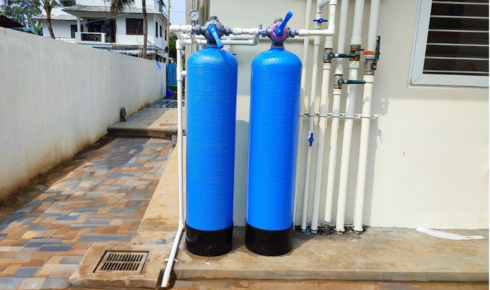
That’s often when people begin looking into a water filtration system designed to treat water at the point it enters the home. The appeal isn’t complexity—it’s consistency. Every tap, every appliance, every drop behaves the same way.
There’s something comforting about that. Less mental math. Less remembering which tap is “safe” or which filter needs replacing this week.
The unexpected ripple effects
Improved water doesn’t just change taste. It changes behavior. People use less soap without realizing it. They stop buying bottled water out of habit. Laundry feels softer even without additives. Dishes come out cleaner, and not just cleaner-looking, but actually clean.
These aren’t dramatic transformations. They’re quiet improvements that make daily life feel smoother. And because they’re subtle, they tend to last. You’re not chasing a high; you’re reducing friction.
Over time, those small gains add up.
Water and the emotional side of comfort
There’s an emotional layer to water that rarely gets talked about. Comfort. Confidence. The feeling that your home is working with you instead of against you.
When water quality is poor, even mildly, you compensate without noticing. Extra cleaning. Extra products. Extra replacements. When it improves, that compensation disappears. Life gets simpler in ways that are hard to quantify but easy to feel.
It’s not about luxury. It’s about ease.
Avoiding the trap of overdoing it
One mistake people sometimes make is swinging too far in the other direction. Once aware of water issues, they want to fix everything at once. Strip everything out. Buy the most advanced system available. But more treatment isn’t always better.
Good water should still feel like water. Over-filtering can lead to flat taste or aggressive water that causes its own issues. The goal isn’t perfection; it’s balance. Remove what causes problems. Leave the rest alone.
That mindset leads to better decisions and fewer regrets.
Long-term thinking beats quick fixes
Water issues rarely demand immediate action, which is why they’re easy to ignore. But they are cumulative. Scale doesn’t form overnight. Taste doesn’t change in a day. Wear happens slowly.
Taking a long-term view—testing, understanding, adjusting gradually—tends to save money and stress down the line. You replace fewer appliances. You deal with fewer surprises. You feel more in control, even if nothing dramatic changes right away.
Patience, in this case, pays off.
When good water fades into the background
The ultimate sign of success isn’t excitement. It’s indifference. When water stops being something you think about, you know it’s doing its job.
You fill a glass without hesitation. You don’t cringe at scale on fixtures. You stop buying products meant to “fix” problems that no longer exist. Water becomes boring again, and that’s exactly what you want.
A calm ending, because water should feel that way
Paying attention to your water isn’t about fear or obsession. It’s about noticing patterns and choosing to improve them thoughtfully. When you understand what’s flowing through your home and how it affects your life, you make smarter, calmer decisions.
Good water doesn’t announce itself. It supports you quietly, day after day, without asking for attention. And once it’s doing that, you’re free to forget about it again—which might be the best outcome of all.